¡Stairway to Heaven in Paraiso!

Third Clinic Day!

Stairway to Heaven in Paraiso!

Today is day three of our brigade in Peru and unfortunately, we’re now at the halfway point. 

Our two brigades went to Paraiso again today. Due to the fact that the shacks cover the entire mountain we went twice so that we can offer services to as many people as possible. The first day of our mobile clinic we were more towards the bottom of the mountain but that area is inaccessible to many families living at the top who can’t make the the journey down often. Hundreds of patients were seen and treated and it was apparent that, again, the clinic was a huge success for this new community. Volunteers, as always, learned a lot and loved playing with the children.

Big progress was made for the stair project today. Here is Rebecca Jones‘ and Heather Johnson‘s take on this part of the day.
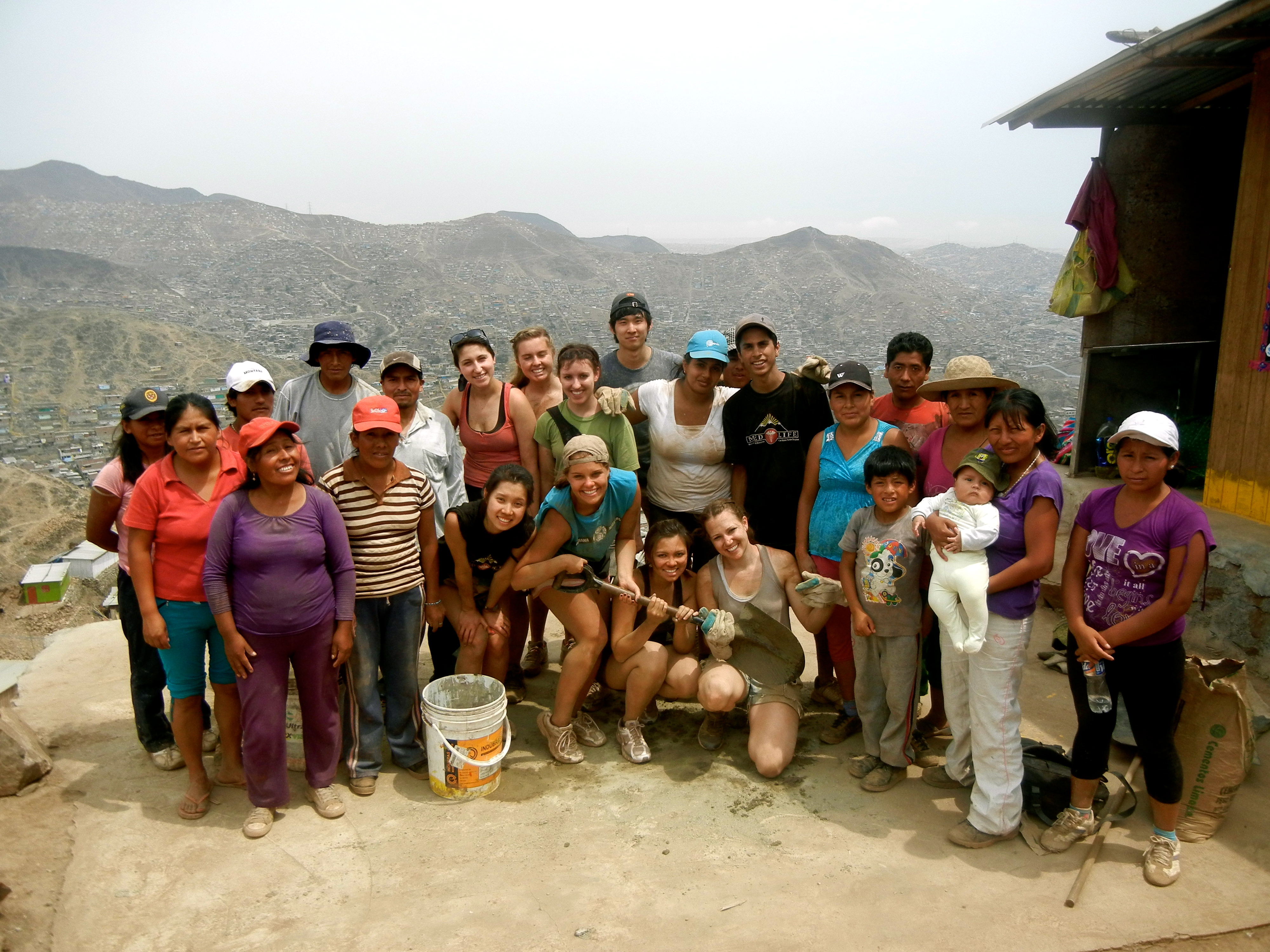
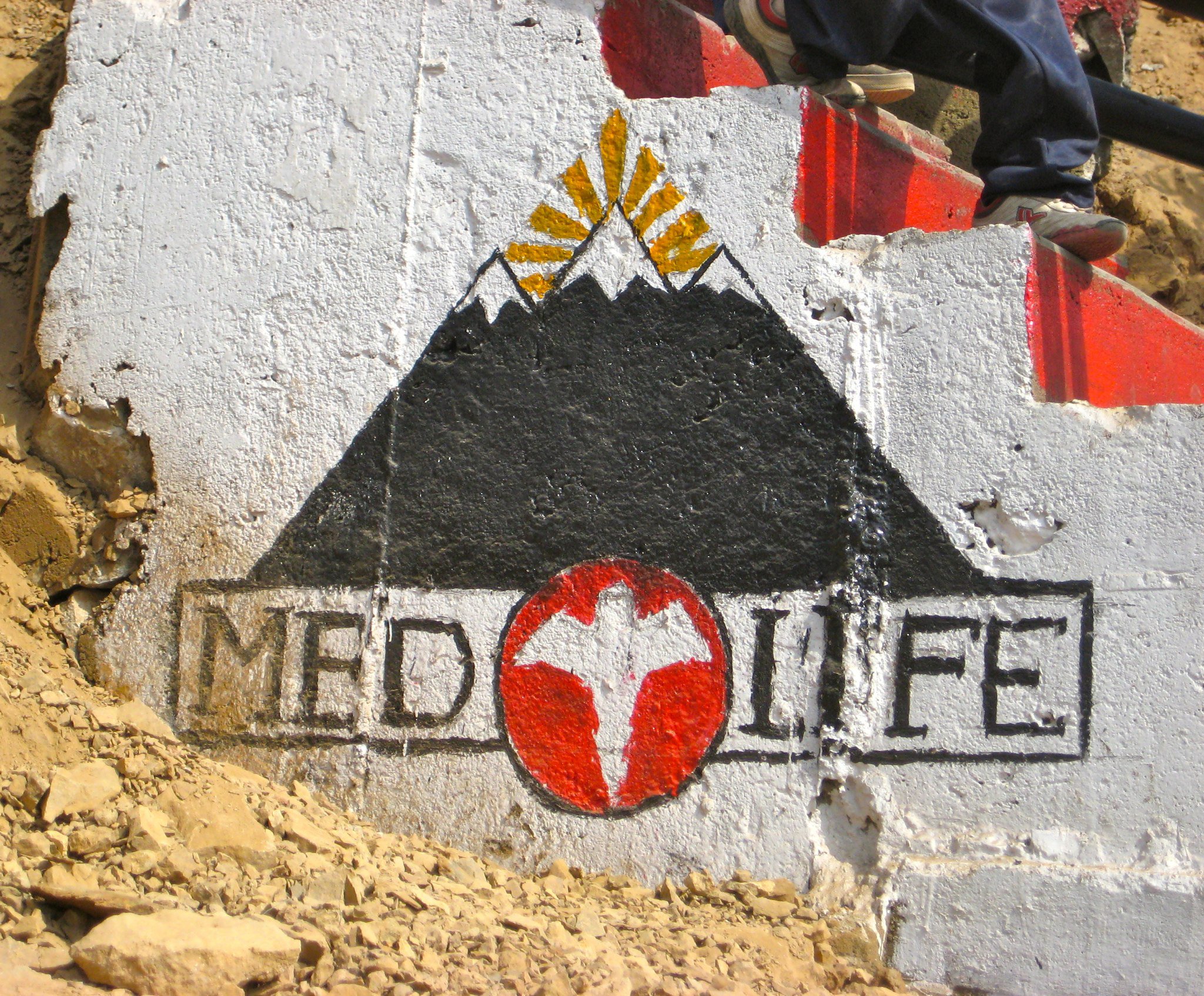
“Today the stairs were finished! On the third day of the stair project for this small, 15 family community we cemented approximately 400 stairs. Ten of us left the hostel this morning to go to Pamplona Mita. We were all very excited as this was a day we had all been really looking forward to taking part in. When we arrived in the neighbourhood we took in the vast array of the wooden and tin roof homes that seemed to have no end. It was, in a way, very beautiful, each shack has its own unique character expressed in different colours set against the brown clay background. The roads through the shacks can only be described as a one-way street on the brink of a cliff. Despite our incredibly talented driver not a single one of us dared to move in the van for fear of inducing a drop-off. As we rocked back and forth the distinct smells carried by the breeze wafted in through our windows that further contributed to the overall experience of these villages. On our journey, we saw many previously built MEDLIFE stairs made obvious by their red paint. We became very excited to see what we were about to contribute to.

When the van could go no further we began our trek towards the construction site. Before MEDLIFE had arrived, the community members built the wooden scaffolding in preparation for us. It’s incredible to see how tight-knit of a community this really was as each household had to contribute at least one worker to help with the construction even if it’s not their own house that was benefiting from these stairs in particular. Over the past two days it was very apparent that our friends had also been hard at work as over half of the stairs had already been filled with the rocks and cement.

The only way to accomplish a daunting task such as this was by working as a team, side by side in an assembly line, with the buckets of water, sand, and cement passing constantly from hand to hand. We worked smoothly together even though we did not all speak the same language. However, we did spend the majority of our manual labour learning relevant Spanish phrases. By the end of the day we were screaming “uno mas balde por favor!” (one more bucket please) and “oh look at the perro!” (dog) like any true Peruvian. When we were almost at the top of the stairs and we knew exactly “quantos” (how many) buckets of cement we needed, each one that was passed up through the line was accompanied by a triumphant “quatros” or “duos” from every single person there. The excitement reached a peak when we were anticipating the completion of the top stair and finally (finally) getting our lunch as we had been hard at work for six hours. There was a muy grande celebration had by all… mostly us….wanting those sandwiches.

There was nothing but very kind and welcoming people in this community. They always made sure we had enough “agua” even though they may not have had much to give. When one member of our group felt faint it wasn’t long after that a bottle of Inca Cola was provided. (This local delicacy is a shocking neon yellow pop which tastes of bubblegum.) At the end of the day we all stood on the ledge at the top of the stair case and just took a moment to look down at what had been accomplished over the past few days. It was a really touching moment just taking in the view of these communities in the hills and the small contribution we were able to make.

Speaking for the two of us, it was definitely a trip highlight and not something soon to be forgotten. It struck us, however, that by the end of the day we were so exhausted, hungry, and our muscles were absolutely shaking but we got to come home, shower, lie down and massage our bruises. We realized that these people work that hard day in and day out and despite the fact that we worked side by side all day we certainly wouldn’t be ending the day in the same way.”

Ciao señores y señoritas!

MedlifeMcGill

First Impressions in Pachacutec, Peru.

Second Clinic Day!

First Impressions in Pachacutec.

Day two began with a very early and very long bus ride to Pachacutec, a neighbourhood on the coast of Peru. This was MEDLIFE’s first visit to Pachacutec and all of the community members were very excited to be included in our mission. Pachacutec was added to the list of villages in need when one of MEDLIFE’s central figures was approached by a man in downtown Miraflores who was selling handmade crafts in order to support his family. The man, recognizing the organization’s logo, requested our assistance for his family and friends back home. Despite the distance, MEDLIFE could not refuse to lend a hand.

Again, students had a chance to shadow a different doctor and learn each specialty’s tricks of the trade for the day. Pachacutec was an especially fun location, as community leaders played Latin music over the speakers all day which contributed to a very relaxed and enjoyable experience for everyone involved. Members of this village were extremely engaged in the entire process and showed great appreciation for the work we were doing.

Today, Michelle, one of McGill’s members, began the day in dentistry and spent the afternoon shadowing one of the volunteer doctors. Here is her take on the day:

“Today we had to drive about an hour and a half to get to the community we worked in. I was in the dentist station in the morning. It was interesting because A LOT of teeth were pulled and one cavity was filled. I thought it was cool because we got to really get a good look into the mouths as the dentist removed teeth. The teeth all belonged to very young children. It is kind of crazy that all of these little kids had such poor dental hygiene.

In the afternoon, I was with Dr. Paolo. He was very interactive and did a great job of getting myself and the other two volunteers at his station involved throughout the day. We were quizzed (I got +1 point!) and we were able to examine the patients ourselves! We were made to feel like residents. [Shadowing Dr. Paolo allowed us to see the conditions that most affect these low income neighborhoods of Lima, and how medical professionals go about treating these various cases when they can.]

I really love the doctors we get to work with here, they’re definitely making the experience that much more enjoyable. I would really like to stay involved with McGill’s MEDLIFE chapter. Overall, another great day, and the nap on the bus ride home was refreshing [and definitely necessary!].”

Each night, MEDLIFE provides all of us with the opportunity to partake in various local activities to get a feel for Peru life. Tonight, Diego, Ricardo, and Fernando were kind enough to come and teach us how to Salsa dance! We stepped on many a toes at first, but by the end, with much practice, we blended right in with the locals. Olé!

Hasta luego mis amigos!

From Villa Maria to Paraiso!

As the New Year starts, a new MedlifeMcGill Brigade is already on its way to South America. This time around, they are heading to Lima, Peru. This time we have pictures, we have stories, we have Vlogs and much more to share their experience with you. So please enjoy, share, follow and like us on FB! I present to you…The March 2012 Brigade!

From Villa Maria to Paraiso

The McGill MEDLIFE chapter has arrived in Lima, Peru to begin a five day mobile medical clinic. There are 45 students here to volunteer and we have been divided into two groups so that we can reach as many patients as possible. Monday February 20 was our first on field day and we visited the people of Villa Maria and Paraiso. Together we provided medical attention to approximately 275 people.

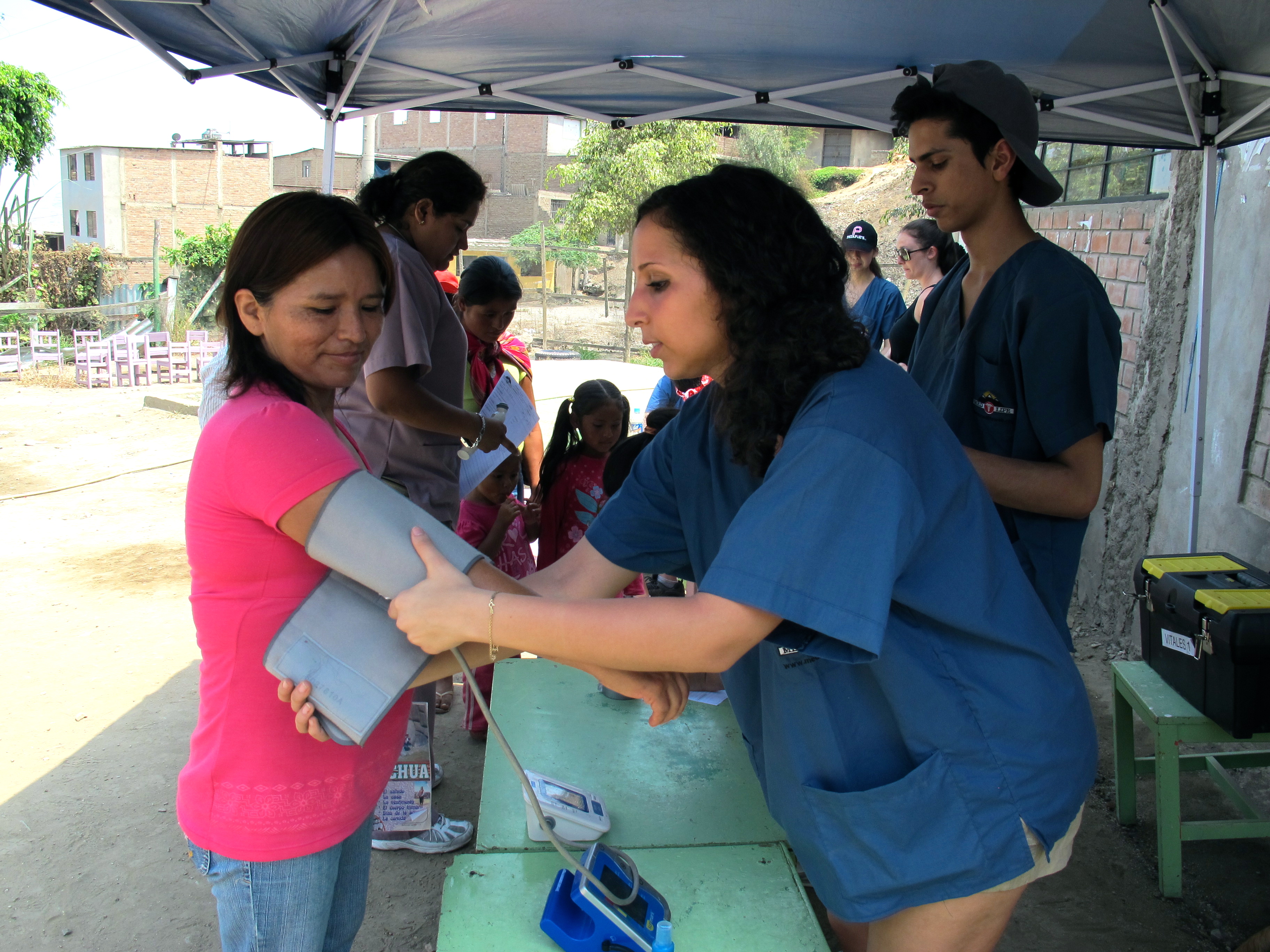
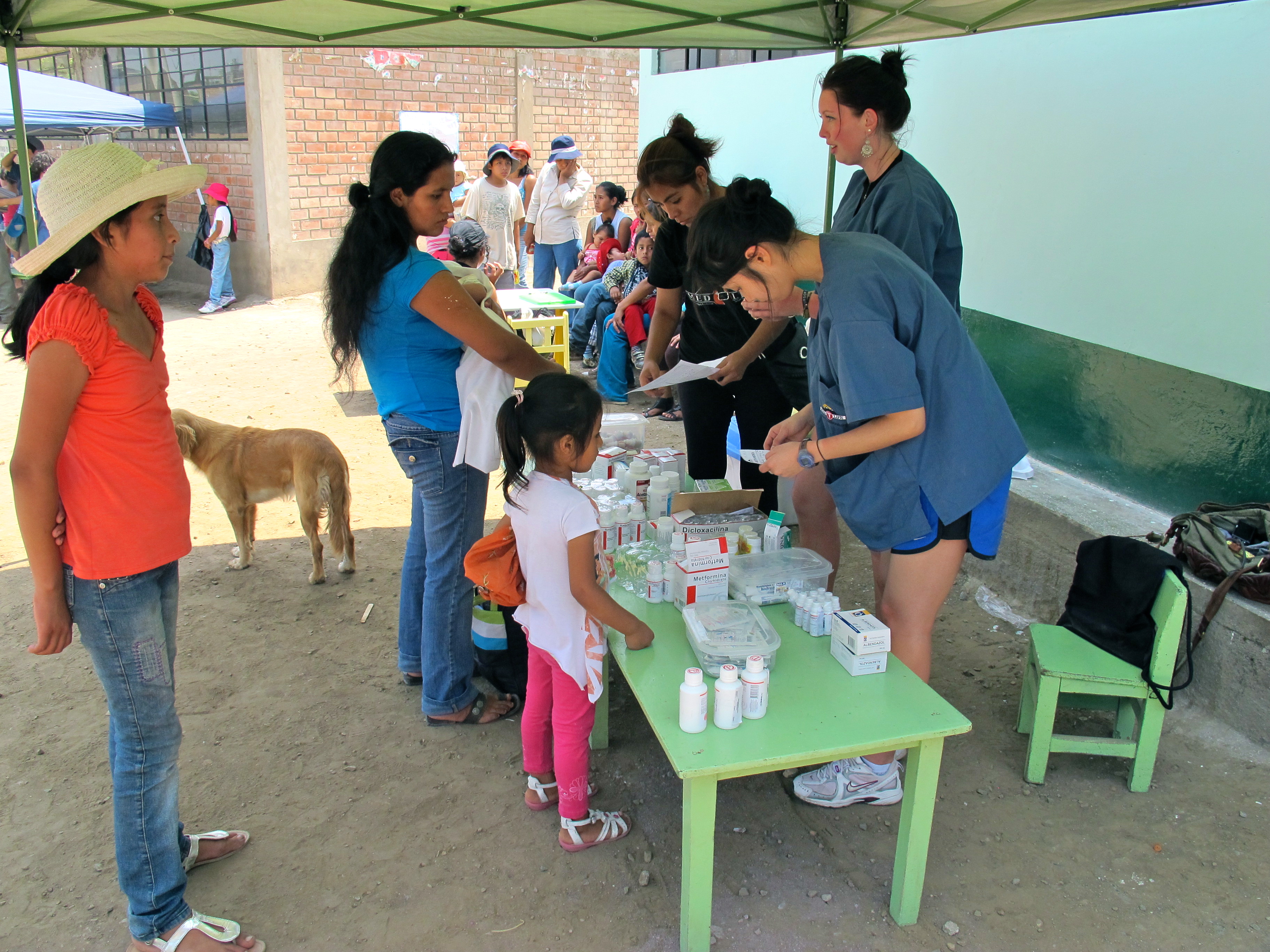
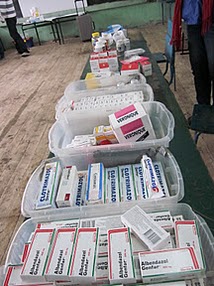
Students are able to assist local Peruvian doctors and nurses by lending a hand in multiple stations. The process for the patients begins by checking in at the inscription tent, followed by checking their vital signs, and then heading over to our education station to watch various videos describing how to live a healthier, safer lifestyle. From there, based on individual need, patients visited a dentist, an obstetrician, and/or a general practitioner. The final stage concluded with a visit to the pharmacist where patients received free prescriptions for their conditions.

A general consensus for the day’s highlights involved teaching the children of these villages how to properly brush their teeth. In fact, most of us just loved playing with these adorable Peruvian children in general. Overall, everyone was very appreciative of our efforts and despite the language barrier meaningful connections were formed. It was incredibly rewarding to meet these people who showed us just how lucky we are.

Ten of our comrades began working on a stair-building project. Most of the people living in these neighbourhoods live in very rocky terrains. By building the stairs we are providing an easier access to clean water sources as well as allowing children to reach schools safely. Over the course of the week everyone will contribute to this important stepin a better direction. Stay tuned to see our progress!

Tomorrow we’ll be heading to a new village to help new people. After such a successful first day we are very much looking forward to what tomorrow will bring!

Enjoy day one’s picture and video highlights!

Gracias y ciao!

MedlifeMcGill

Punto Cero Clouds and the Final Clinic Day.

Final Clinic Day! –  Punto Cero.

by Kate Sheridan

Today, I volunteered for the dreaded gynecology station, and I have to say, I liked it a lot more than I thought I would and I felt way less awkward than I thought I would.  Essentially, students on gynecology watch as the doctor takes histories, does pap smears, and examines pregnant women.

My very favorite part of gyno was, without doubt, the pregnant women. They all looked happy and all of them were healthy, thankfully. One was even probably carrying twins! I say probably because the clinic lacks ultrasound equipment, and the twins were “diagnosed” by palpitation only. While the gynecologist was pretty sure that the woman in question was carrying twins, she admitted it can be difficult to distinguish a head from a backside or another body part entirely, so the second head she felt could be a part of one baby.

My least favorite part of gyno was pap smears. Most women seemed to be fine with one female student in the room, but I couldn’t help but think of the physical discomfort they must be in – the speculum was unwarned and unlubricated, unlike what many North American women may be used to.  However, there was a significant number of women who elected against receiving a pap smear, for their own reasons, even after hearing about what it can do (For those of you who don’t know – the main thing people think of when they hear “pap smear” is cervical cancer, but there are other conditions that can be diagnosed with a pap smear.) My duty was to hand the doctor instruments and stabilize the light used. We did 5 or 6 pap smears in total, and I rotated in with 2 other girls, so I don’t know if I would have become more comfortable with the procedure and how I could have best assisted if there had been more opportunities.

Right in the middle were the histories. It was mostly the same basic questions everyone gets asked when they see a doctor, but I was particularly fascinated when the doctor asked certain questions: “cuantos hijos tiene? Muerto? Aborto?” My friend Vanessa asked a few clarifying questions after one physical and we had our translation: “How many kids do you have? How many have died? How many miscarriages?”

I thought about the stories represented by the numbers. What did these women feel when they had miscarriages? (The doctor used aborto to mean spontaneous abortions – induced abortions are illegal in Ecuador .) Were they devastated, relieved that there would not be yet another mouth to feed after all, a combination of both, or something else entirely? I suspect the base emotion must be something similar to what North American women feel when they miscarry; while there may be differences caused by what are very different circumstances, I feel like the loss is felt in similar ways too.

If this brigade taught me anything, it is both that I was incredibly privileged to be born into a North American family with access to consistent medical care and that I am not all that different from the people we see at the clinic anyways. The people we saw at the clinic worked hard, were deeply tied to a community, and experienced the same emotions. They may not have the same emotional triggers – I would never say that. But it goes back to the miscarriage thing I wrote about. Everyone feels loss, like when a woman miscarries; everyone feels joy, like when a new baby is born healthy and perfect. Doesn’t matter where it happens.

This clinic has been a wonderful experience for me overall. While I’d need to save up some airfare money, I would absolutely do it again.  I can’t believe it is already over and the first of my flights to send me back to the Great White North takes off in 24 hours.

THANKS! for reading the blog from this brigade, and my tweets from the ground. (If you haven’t been, check it out: @MEDLIFEMcGill! More pictures!) I hope we’ve given a little bit of insight into what the clinics are like and the people who you might meet if you go on one!

And PLEASE! Comment and give us feedback! So we can improve the blog and give you guys everything you ask for!

MedlifeMcGill

¡High! in the Mountains of Catequilla-Chambo.

DAY 6 –  ¡High! in the Mountains of Catequilla-Chambo.

by Ji Hyun Yoon

Today the group set off to Catequilla-Chambo, a region located at the lower part of a mountain. The village was much more small in size and population compared to the ones previously visited which were located higher up in the mountains.

I worked at the dental station and assisted Tanya, the dentist, in treating over 30 people. The tasks I was responsible for included sterilizing the used tools with alcohol, handing the appropriate tools and supplies to Tanya, and comforting the patients during the treatment. It was a good opportunity for me to learn the names of the dental tools in Spanish and what they were used for. For example, carpul was used to inject the anesthetic into the gum, while gutaperchero was used to spread the cavity sealant on the tooth. Another tool named explorador was used for scraping out the plaques in between the teeth. Patients were treated with fluoride in prior to protect their teeth, where most of them were children who had rotten or wobbly tooth. For most of the times, cavity sealant was used to treat a rotten tooth but in severe cases the tooth had to be plucked out. There was one case in which an eight-year-old girl had broken roots and a few projecting tooth in wrong positions. Due to long periods of negligence the pus in her gum had decayed the gum so much that it could not absorb the anesthetic. It was tough for her to tolerate the pain of plucking the tooth out; all I could do was hold her hands. There was another woman who had dental problems that gave discomfort in everyday life that was impossible to solve since they were left that way for such a long time. Earlier treatments would not have led to such situations. Seeing those people in pain due to inaccessibility to simple treatments made my mind heavy and made me once again appreciate the benefit of the available health care that we have back home.

Taking part in MEDLIFE brigade provided me with so many valuable experiences. Being able to work right beside professional doctors and dentists and assisting them is not a common experience that one can get at our age; it is a chance for me to encounter various aspects of medicine and move one step further toward my dreams. In addition, although we are here to help these people, I feel that I am the one who is learning and gaining from them as days go on. I could sense that speaking different languages is not a problem at all in conveying feelings of gratitude and sincerity towards each other.

MedlifeMcGill

A Little bit of French in the Clouds!

DAY 5 –  Un peu de Français dans les Nuages.

by François Alexandre Toupin

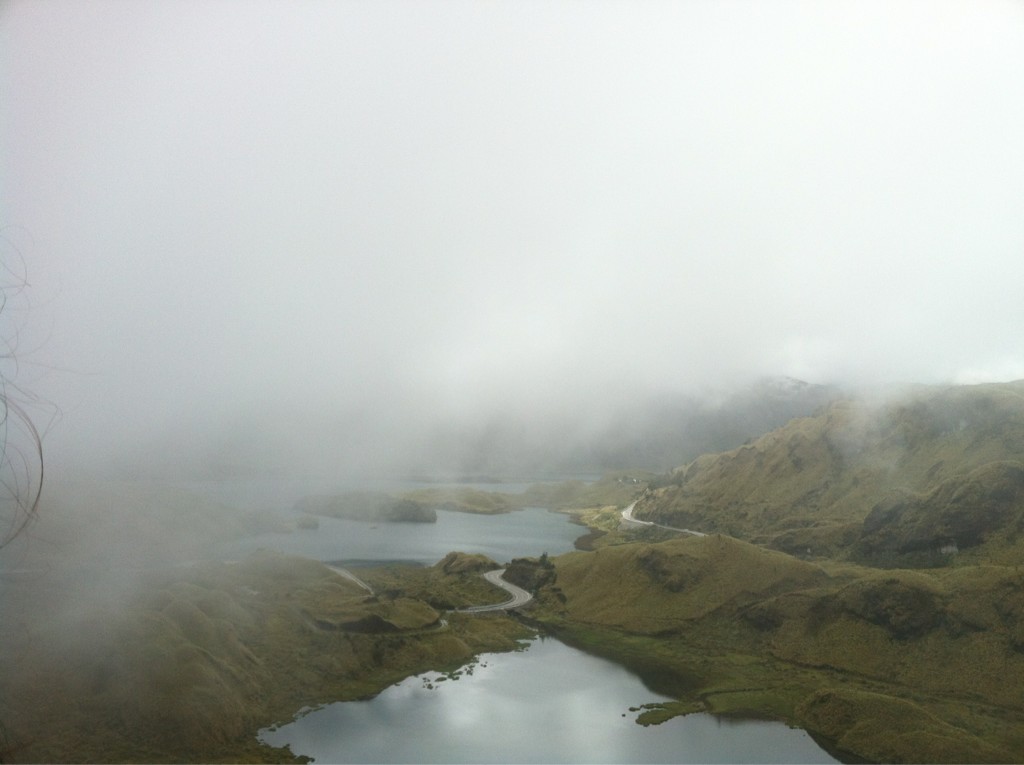
Nous avions 2h de route à faire et j’ai dormi la plupart du temps mais quand je me suis réveillé nous étions dans un nuage!! Nous étions tellement haut que nous avons passé la journée complète dans un nuage c’était spécial. Une fois installé j’ai commencé à parler aux jeunes en attendant les premiers patients. Ils étaient très gentils et il y en a même un, Francisco, qui parlait anglais un petit peu. Il avait 12 ans et quand je lui ai demandé s’il jouait au futbol  il m’a invité à aller jouer avec eux! Leur terrain n’a pas de gazon et il est délimité par des poteaux de bois aux quatre coins. Les buts sont fait en bois eux aussi et ils n’ont pas de filets. J’ai joué pendent une bonne demi-heure avec une 15aine d’enfants c’était tellement le fun. Ils étaient impressionnant pour des jeunes de 10-13 ans! Le terrain était en terre et vu qu’il avait plu on jouait pratiquement dans la boue. J’ai planter solide en couvrant mon homme et je suis plein de terre en ce moment même si Francisco m’a amener me laver. L’altitude s’est fait sentir à force de courir d’un bout à l’autre du terrain, les enfants n’arrêtaient pas de me demander pourquoi j’étais si fatigué! Quand je n’en pouvais plus je leur ai dit que je reviendrais quand j’aurais une pause mais nous avons été tellement occupés que je n’ai pas pu retourner jouer avec eux.

On m’a assigné à la station médecine. C’était très intéressant. La médecin ne parlait qu’espagnol alors j’ai pratiqué toute la journée à l’écouter et à parler avec elle. Le deux personnes avec qui j’étais ne parlaient pas un mot d’espagnol alors j’ai traduit pour eux ce qui m’a aider à pratiquer. J’ai vu une petite fille de 10 ans avec des cataractes et il y avait une multitude de personnes avec des parasites dans le ventre. La médecin nous laissait ausculter tout les patients et elle nous a montrer comment examiner la gorge et les oreilles. Il y avait une petite fille, Josefin, qui avait une grosse infection à l’oreille et c’était rempli de pus. On a vu une petite fille qui avait une déficience mentale et motrice et elle doit se faire suivre par un médecin en ville régulièrement. Certaines personnes avaient des problèmes avec leur yeux liés au manque de protection oculaire qui faisait en sorte qu’ils accumulaient de la terre dans leur yeux. Finalement on a eu une patiente qui avait de l’ascite dans le ventre. Elle était très pâle et quand on examinait ses yeux on voyait que l’intérieur de sa paupière était blanc ce qui indique qu’elle est anémique. La médecin nous a dit qu’elle pensait que c’était un cancer et elle l’a référé à des spécialistes en ville pour faire plus de tests.

En sortant j’ai revu mes amis avec qui j’avais joué au futbol et je me suis excusé de ne pas être revenu. On a pris une photo ensemble et ils ont couru derrière l’autobus quand on partait.

Nous sommes allés souper dans un restaurant américain. J’ai mangé un burger au Chili c’était très bon. Après le souper nous sommes allés prendre quelques bières au bar Karaoke en face avec la plupart des voyageurs et nous avons rempli la place d’ambiance avec nos talents de chanteurs.

Merci

MedlifeMcGill